Train-to-Trail: Circular Waterfall Walks from Lake District Railway Stations
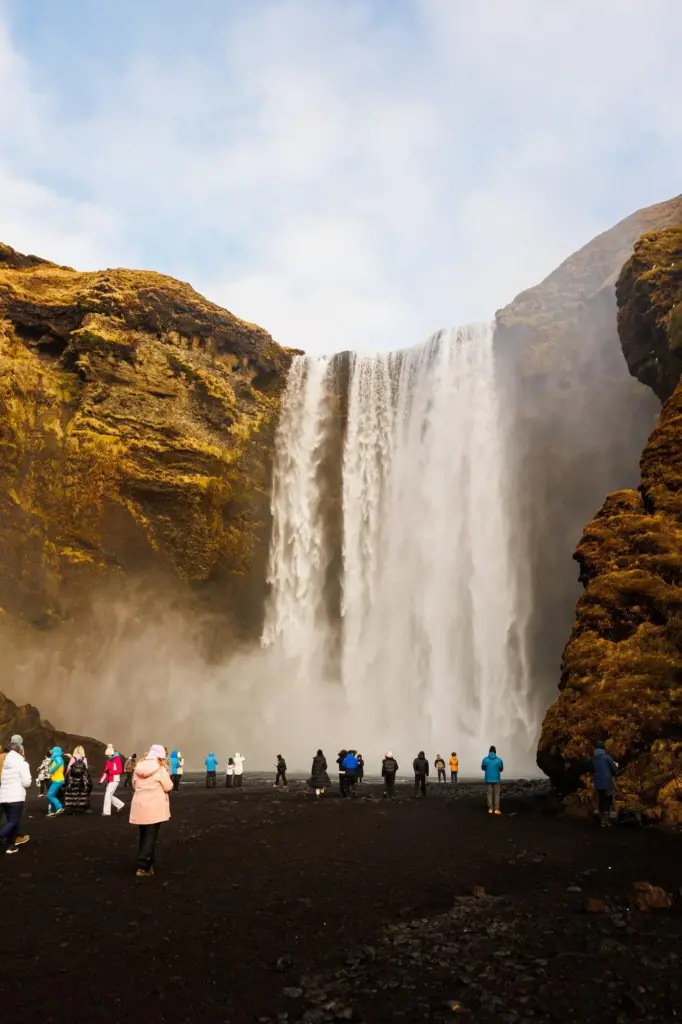
We’re celebrating our Train-to-Trail approach: circular Lake District waterfall walks beginning right outside railway stations. Skip the car, follow waymarked paths and timeless bridleways, meet spray and songbirds, and return to your platform with boots wet, heart calm, and a story worth sharing.
Step off the platform, follow the spray
Step off the carriage and trade clatter for birdsong within minutes, because the tracks lace straight into footpaths, ginnels, and old lanes that hug beck and ghyll. Rail removes parking stress, shrinks your footprint, and frees you to chase shifting light and tumbling sound without clock-watching. At Staveley the River Kent is practically a neighbor; at Windermere you stride for viewpoints before breakfast. Let rhythm and steel deliver you to moss, spray, and circular wanderings that close exactly where your ticket began.
Six station-to-spray circuits to try
These handpicked loops begin at real platforms and return you neatly to them, weaving classic viewpoints with secretive becks, stone bridges, and ferny ravines. Distances are day-hike friendly if you keep an honest pace. Always verify access, seasonal restrictions, and path conditions locally, and carry a map. If spate blocks a ford, adapt by following higher rights of way and shortening the loop without losing the joy.
Step out of Windermere station, climb Orrest Head for a quick panorama, then contour by woodland tracks toward Ambleside. Slip into the enchanting ravine of Stock Ghyll Force, linger on safe viewpoints, and loop back through quiet lanes and the old turnpike. Finish with a gentle climb to the station on back streets. Around 10–12 km, with slick steps near the falls; avoid fences, keep to signed paths, and mind weekend foot traffic.
Leave Staveley station and amble through the village toward Barley Bridge, where the River Kent churns into photogenic cascades after rain. Continue on riverside rights of way past meadows and old mills, then climb through bluebell woods for a wider valley view. Return on a parallel track to close the circle neatly by the platform. Approximately 8–10 km, modest ascent, occasionally muddy; watch for cyclists on shared paths and keep dogs well controlled near livestock.
Another trio of dazzling drops within reach
Once you’ve tasted one rail-delivered cascade, it is hard to stop. These additional circuits broaden your map, offering gentler mileage, heritage textures, and estuary light. They pair well with shorter winter days or soft summer evenings. Check last and first train times carefully, and remember that valley bottoms can feel colder, damper, and darker than open fellside even when skies look kind from the window.
Burneside to Cowan Head Force Falls circuit
Roll into Burneside, wave to the paper mill, and follow the River Kent upstream on permissive and public paths toward Cowan Head, where modest falls and rushing weirs deliver white noise and kingfisher flashes. Climb a little for pasture views, then drop to a different bank for the return. Around 9 km and delightfully quiet. Watch water levels after prolonged rain, and be courteous near homes and mill conversions along the river.
Ulverston canal and Leven cascades by Backbarrow
From Ulverston station, trace the sleepy canal to the Leven estuary, then wander inland on lanes and forest paths toward Backbarrow’s roaring weirs and lively cascades beneath old industrial relics. Circuit back through High Fell Gate and undulating pasture to finish by the station with fish-and-chips in hand. Surfaces vary, and riverside sections demand attention in spate. Avoid fenced edges, heed signage, and expect a satisfying mix of history and spray.
Penrith to Aira Force via Ullswater connection
Start at Penrith station and link by frequent bus or bike path to Ullswater, then climb the well-made trails around Aira Force, one of the region’s most beloved falls. Create a circular return by joining lakeshore paths and a quiet lane to your transit stop, then ride back to the railway. Though multi-modal, the day still begins and ends at the platform, offering flexibility in weather and generous café options along the way.
After the rain: reading rivers safely
Brown, booming water that swallows rocks you saw an hour earlier is a clue to retreat. Note eddies, undercut banks, and fallen branches pinned in chutes. If a crossing feels intimidating, it already is. Use bridges, stay behind fencing, and choose higher ground. Circular routes can usually be shortened while still closing the loop at your station without heroics, excuses, or compromised judgment.
Footing and footwear on slick stone
Slate steps, polished roots, and spray-sheened boulders punish haste. Lacing boots tightly reduces heel lift and improves edging on awkward treads. Consider grippy soles, short gaiters, and trekking poles for wet descents. Step purposefully, keep your center over your feet, and give other walkers space. When in doubt, descend facing in, three points of contact, and celebrate clean socks at the carriage door later.
Leave No Trace around fragile ghylls
Foam and ferns recover slowly from crowding. Stay on durable surfaces, overtake politely at pinch points, and never trample new moss for a better angle on the fall. Pack out everything, including orange peels and coffee lids. Silence drones, respect landowners and rangers, and smile at volunteers repairing steps you will use for free today and next year. Beauty thrives when we behave as guests, not conquerors.
Seasons, safety, and respecting the water
Water carves beauty but shows little patience for indecision. In spate, bridges tremble and fords vanish; in frost, spray freezes into treacherous glass. Plan conservatively, accept turn-backs with pride, and treat ravines as living places, not amusement parks. Keep children within reach, dogs leashed, and tripods away from edges. Seek designated viewing spots, read local notices, and remember that the perfect photo never outweighs a safe, warm return to the evening train.
Packing light, staying dry, savoring the day
Good choices at breakfast ripple through every hour outdoors. A small daypack with reliable rainwear, spare warm layer, gloves even in spring, and a bright hat keeps morale high when squalls surprise. Keep electronics dry in zip bags, tuck a microfibre towel for benches, and stash coins for café loos when cashless machines fail. Rail-friendly kits avoid clattery poles in crowds and make fast changes on draughty platforms easy.
Stories from the line: voices of the fells
Real days out rarely match the neatness of a guidebook, and that is the charm. One reader wrote how a delayed train gifted a sunburst over Orrest Head; another swapped routes when Stock Ghyll roared too fiercely. Laughter, detours, and steaming gloves defined success, not summit counts. Share your own, and let rail timetables and tumbling water shape memory instead of stress.
A morning express to mist and thunder
We boarded in Manchester under slate skies and watched fields brighten toward Oxenholme. By Windermere, mist laced the trees and steps by the fall rumbled like distant drums. We picnicked under a dripping lintel, skipped the second climb, and still made the loop. The train home smelled of forests and damp wool, the best cologne imaginable.
Family day out without a dashboard
Two kids, one grandparent, and no arguments about parking transformed the whole day. From Staveley we toddled to Barley Bridge, counted dippers, and played I-spy with sheep. A pocketful of wrapped sweets beat screen time. Back at the platform, everyone voted for hot chocolate and an early train, a victory circle perfectly sized for tiny legs.
Evening return with boots and gratitude
The last light reached into Eskdale as we left Ritson’s Force, golden spray tangled with birdsong. We took the little train down-valley, swapped stories with strangers, and stepped onto the coastal platform just as the tide turned silver. My notebook held muddy fingerprints, route changes, and a single word underlined twice: enough.
Plan your own loop and join the conversation
This guide exists to spark motion, not to prescribe every step. Choose a station, trace rights of way to a beck and back, then adjust for weather and curiosity. Download our sample GPX ideas, subscribe for monthly car-free itineraries, and tell us what worked. Your comments, photos, and gentle corrections help keep information accurate, accessible, and welcoming for newcomers, families, and seasoned fell lovers alike.
Open your map and hunt for blue lines named Beck, Gill, or Force within a few miles of a platform. Link permissive paths with bridges to create a loop, then check contours for steep surprises. Share your outline for friendly eyes before you go, and report path issues so others can plan safely.
Post your trip notes, GPX files, and timing tweaks in the comments or by email, and tag photos with your station name so readers can search easily. Tell us which cafés welcomed muddy boots, where steps felt sketchy, and how you adapted in spate. Generosity here builds better, safer, greener adventures.