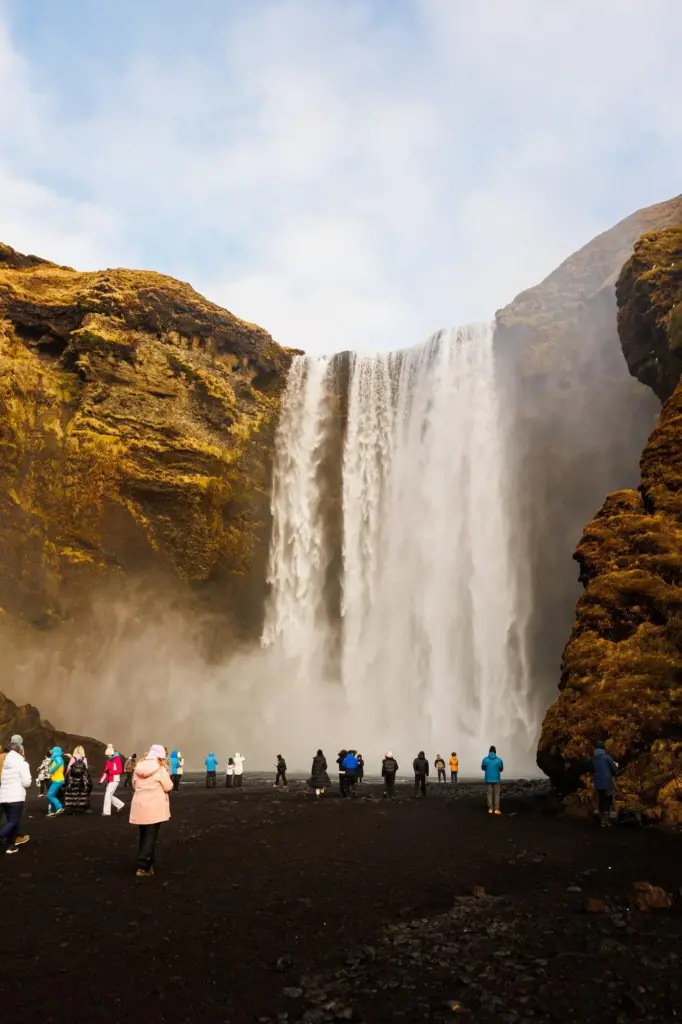
Ride, Walk, Click: Lake District Waterfalls Without a Car
Today we’re exploring photographing Lake District waterfalls reachable by public transport, pinpointing practical locations and reliable timings so you can travel light and come home with powerful images. Expect clear route ideas, realistic walking times from stops, sunrise and seasonal tips, lightweight gear strategies, and safety notes gathered from real trips. Pack curiosity, a dry bag, and patience for buses, and let moving water teach timing, rhythm, and restraint.
Plan Smarter Journeys, Shoot Longer
Maximize light and minimize logistics by aligning bus and train connections with golden hours, checking service frequency, and building generous buffers for weather and crowds. Consider day tickets to keep flexibility, watch for seasonal services, and always verify first and last departures. Prioritize gateways that shorten walks to viewpoints, and decide in advance which cascades suit overcast, sun breaks, or heavy rain. Better planning buys extra minutes at the tripod.
Waterfalls You Can Reach Today
Start with proven, car‑free favorites offering strong compositions within sensible walks from reliable stops. These choices balance accessibility and drama, letting you refine technique instead of fighting logistics. Expect maintained paths, clear signage, and multiple vantage points. Arrive early or on damp weekdays for quieter frames. When crowds grow, work tighter studies, abstracts, and details. Each stop rewards patience, awareness, and a willingness to move a few thoughtful steps.
Short Walks That Multiply Your Shots
Target compact hikes from well‑served stops to stack multiple scenes into one daylight window. Gentle paths minimize time lost to climbs, leaving energy for composition and experimentation. Woodland gorges handle midday brightness; open banks thrive under angled light. Carry a simple map or offline app, note muddy sections, and pace transitions between locations. Prioritize safety on wet stone, and always leave capacity to reach your return stop calmly and unhurt.
Light, Seasons, Flow: Reading Conditions
Waterfalls transform hourly. After rain, volumes surge and spray intensifies; during dry spells, delicate veils invite tighter compositions. Winter strips foliage and adds icy accents; spring brings vibrant greens; autumn saturates color. Overcast is your studio, simplifying exposure and contrast. Track wind to protect leaves during long exposures. Scout orientations to predict when direct light kisses mist without blowing highlights. When everything aligns, slow down, refine tripod placement, and wait purposefully.
Matching orientation to sky and sun
Shaded ravines like Stock Ghyll often prefer cloud, though short sun breaks can rim‑light spray near openings. Wider settings, including parts of Aira Force approaches, may welcome low, raking light early or late. Use apps to gauge sun paths, but trust your eyes on‑scene. If sun intrudes, bracket exposures or pivot to backlit details. When light fails entirely, craft intimate abstracts of moss, roots, and micro‑cascades where texture carries the frame.

Reading weather windows and microclimates
Upland showers can appear suddenly, so monitor radar before boarding and reassess at hubs. Valleys like Borrowdale can trap cloud and deliver beautifully even illumination while neighboring ridges blaze with sun. Embrace these differences. Carry a lens cloth, microfiber towel, and small umbrella to shield glass between exposures. If gusts rise, shorten shutter speeds or shoot series for later median blends. Adjust your plan rather than fighting conditions you cannot master.
Travel‑Light Gear That Works on a Bus
Weight matters when you stand, transfer, and squeeze through crowded aisles. Favor a weather‑sealed body, two lenses covering wide to short‑tele, a compact carbon tripod, circular polarizer, and one or two modest ND filters. Add microspikes only if icy paths are forecast. Pack a dry bag, cloths, and gasketed batteries. Keep it ready to deploy quickly, because the bus will not wait and neither will fleeting light over foaming water.
Safety, Access, and Good Manners
Ravines, timber, and slick rock punish complacency. Stay within fenced viewpoints, read all notices, and avoid trampling delicate moss. Water levels change quickly after showers or thaw. Give space to hotel guests and residents, mute chatter at dawn, and yield narrow steps. Keep return times visible, and carry a charged phone and paper backup of key stops. Leave no trace: footprints fade; broken branches and litter do not. Your reputation travels faster than buses.
Car‑Free Day Plans That Actually Work
Turn scattered notes into dependable schedules that respect first light, service intervals, and energy. Each outline includes realistic walks, generous buffers, and fallback options if weather or buses shift. Swap segments as daylight stretches or contracts. Photograph deliberately, snack often, and stop shooting in time to cool down before boarding. When you return, share your itinerary and lessons learned so others riding tomorrow can refine, adapt, and travel more confidently.
Ullswater focus from Penrith
Train into Penrith North Lakes, then board the 508 to Aira Force for dawn or early overcast. Spend two to three hours exploring upper and lower bridges, details, and woodland context. Continue to Glenridding for lunch and shoreline studies, watching cloud texture over Helvellyn. If rain intensifies, revisit Aira’s sheltered paths before returning. Keep an eye on the final 508 back to Penrith, arriving early to avoid a stressful sprint with tired legs.

Ambleside, Rydal, and Skelwith trio
From Windermere station, take a frequent bus to Ambleside for Stock Ghyll Force under soft morning light. Next, ride a short hop to Rydal Church for The Grot’s intimate studies. After lunch, continue on an Ambleside–Coniston service to Skelwith Bridge, photographing Skelwith Force and strolling toward Colwith if time allows. Finish with tea near the stop and return to Ambleside, then Windermere. Build ten‑minute buffers at each transfer to keep the day calm.
Keswick and Borrowdale spray play
Arrive in Keswick by intertown bus, then ride the 78 into Borrowdale for Lodore Falls after rain, ideally mid‑morning when light filters between trees. If spray overwhelms, pivot to woodland abstracts and streamside details. Consider a scenic seasonal loop via 77/77A if operating, hopping off for layered valley scenes rather than cliff‑edge gorges in wind. Return to Keswick early for a lakeside sunset, leaving ample time for the last onward connection home.