Wordsworth and Rydal’s Cascades
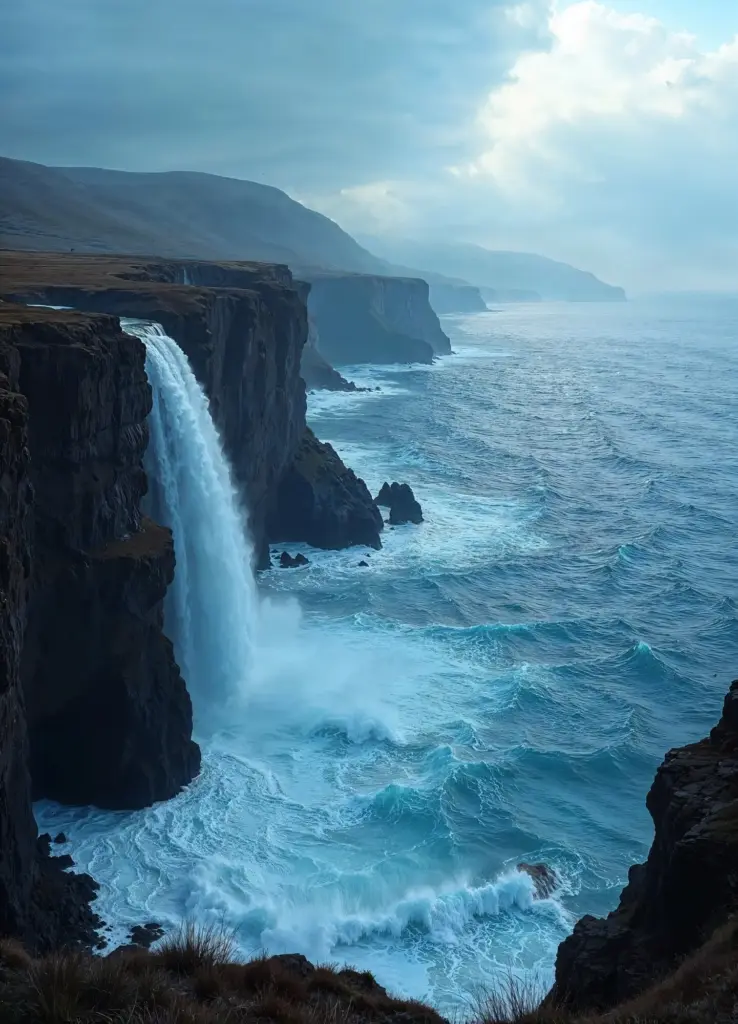
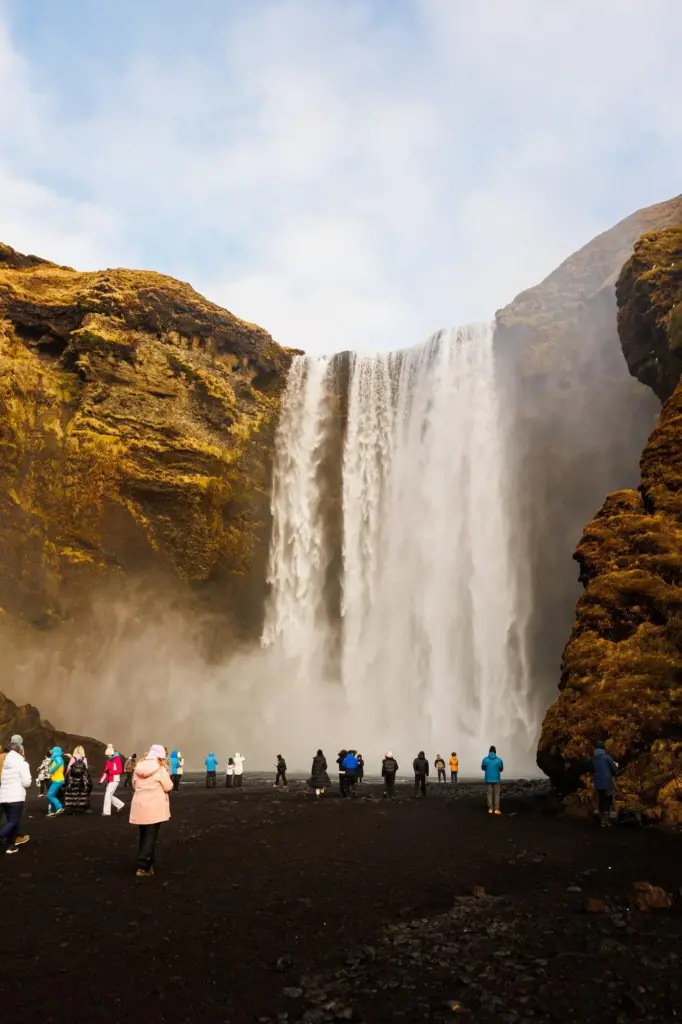
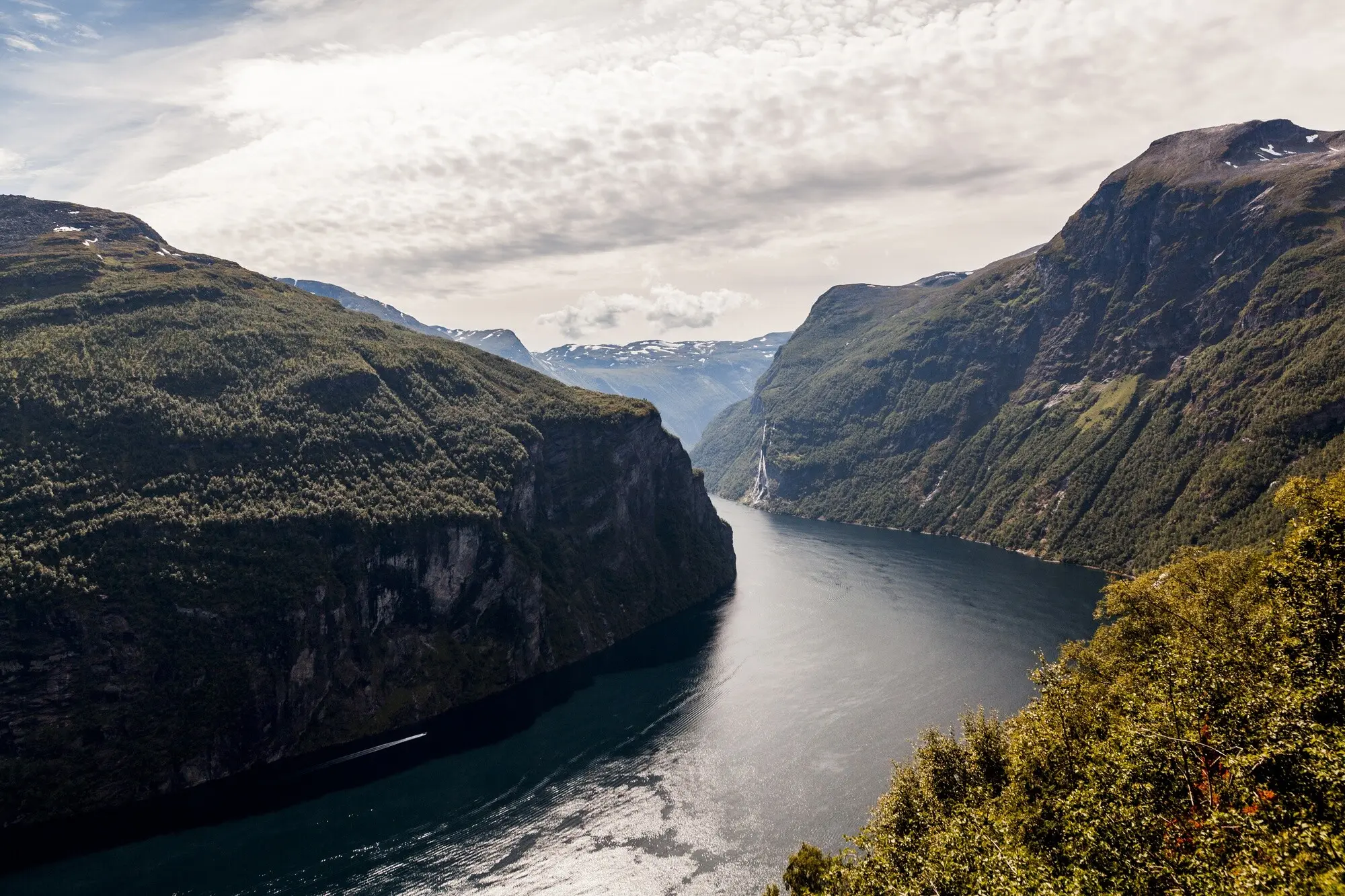
Near Rydal, it is easy to picture a poet pausing with notebook in hand, letting the steady rhythm of water guide his thoughts. Children can try the same: listen quietly, then choose three words that match the sound. Notice how the water changes voice across ledges—hushed here, jubilant there—and how light brightens the spray. Tie this listening game to drawings or simple couplets on a page, turning a short stroll into a pocket-sized workshop where creativity and landscape shake hands.

Bridges and Arboretum at Aira Force
The arched bridges above the gorge feel like portals, linking one mood of the waterfall to another as you cross and recross in delight. Victorian caretakers planted grand trees that now shelter red squirrels, softening wind and guiding dripping light. Invite children to trace a leaf’s veins, guess each bridge’s height, and notice how voices echo differently under stone. By anchoring your visit in these details, you turn a simple viewpoint stop into a layered memory of engineering, botany, and moving water.
Ambleside’s Working Water Past
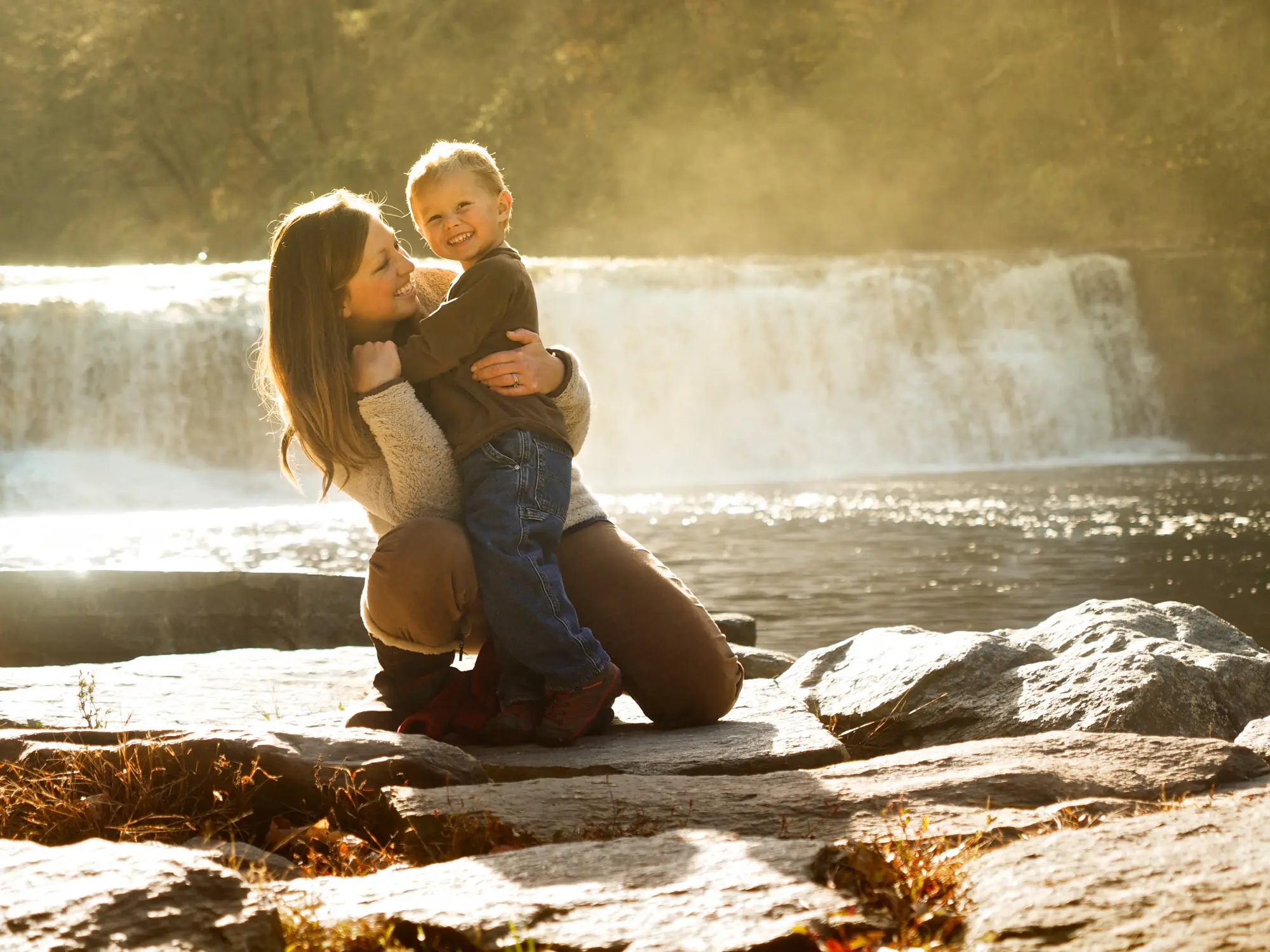
Stock Ghyll once powered mills that shaped everyday life, a reminder that beauty and utility can share the same stream. Encourage kids to imagine the thrum of old machinery, sacks of grain, and workers swapping stories on lunch breaks. Standing by the present-day viewing platform, listen for the persistent industry of nature: birds calling orders, water grinding slowly at boulders, tree roots gripping their stations. A simple signboard or quick sketch transforms the present moment into a conversation with people who walked here long before us.